
![[2025] AI Memory Hunger Forces Micron Exit](https://www.reuters.com/resizer/v2/VASZVYIQAVJ6REHKY7R6ET7RLE.jpg?auth=298d55cf24a24752e079e6b6b826027857b99b1825518a3ac86e78811565393d&width=5483&quality=80)
[2025] AI Memory Hunger Forces Micron Exit
Table of Contents
- Introduction: The Rise of AI Memory Demand
- Micron's Decision: A Seminal Moment
- The Economics of AI Memory Hunger
- Impact on the Consumer Market
- Shift in Semiconductor Supply Chains
- Enterprise vs. Consumer Memory Market
- The Role of Data Centers in Memory Demand
- Technological Advances in Memory
- Challenges Facing Memory Manufacturers
- Future Trends in Memory Demand
- Expert Insights: Industry Perspectives
- FAQs: Understanding the AI Memory Market
- Conclusion: Navigating the Memory Landscape

Introduction: The Rise of AI Memory Demand
In a world increasingly driven by artificial intelligence (AI), the hunger for memory resources is growing at an unprecedented rate. Remember when consumer memory was all the rage? Well, those days might be numbered. As AI continues to evolve, so too does its appetite for high-performance memory, leading to seismic shifts in the semiconductor industry. Micron Technology, one of America's semiconductor giants, has decided to exit the consumer RAM market entirely [1]. Why? Because AI's demand for memory is reshaping the very economics of the industry, prioritizing enterprise demands over consumer needs [2].
Let's dig into this fascinating shift, shall we? We'll explore how AI's insatiable need for memory is influencing major business decisions, like Micron's recent exit from the consumer market. We'll also look at the broader implications for the semiconductor supply chain and what this all means for consumers and enterprises alike.
Micron's Decision: A Seminal Moment
The Backstory of Micron's Journey
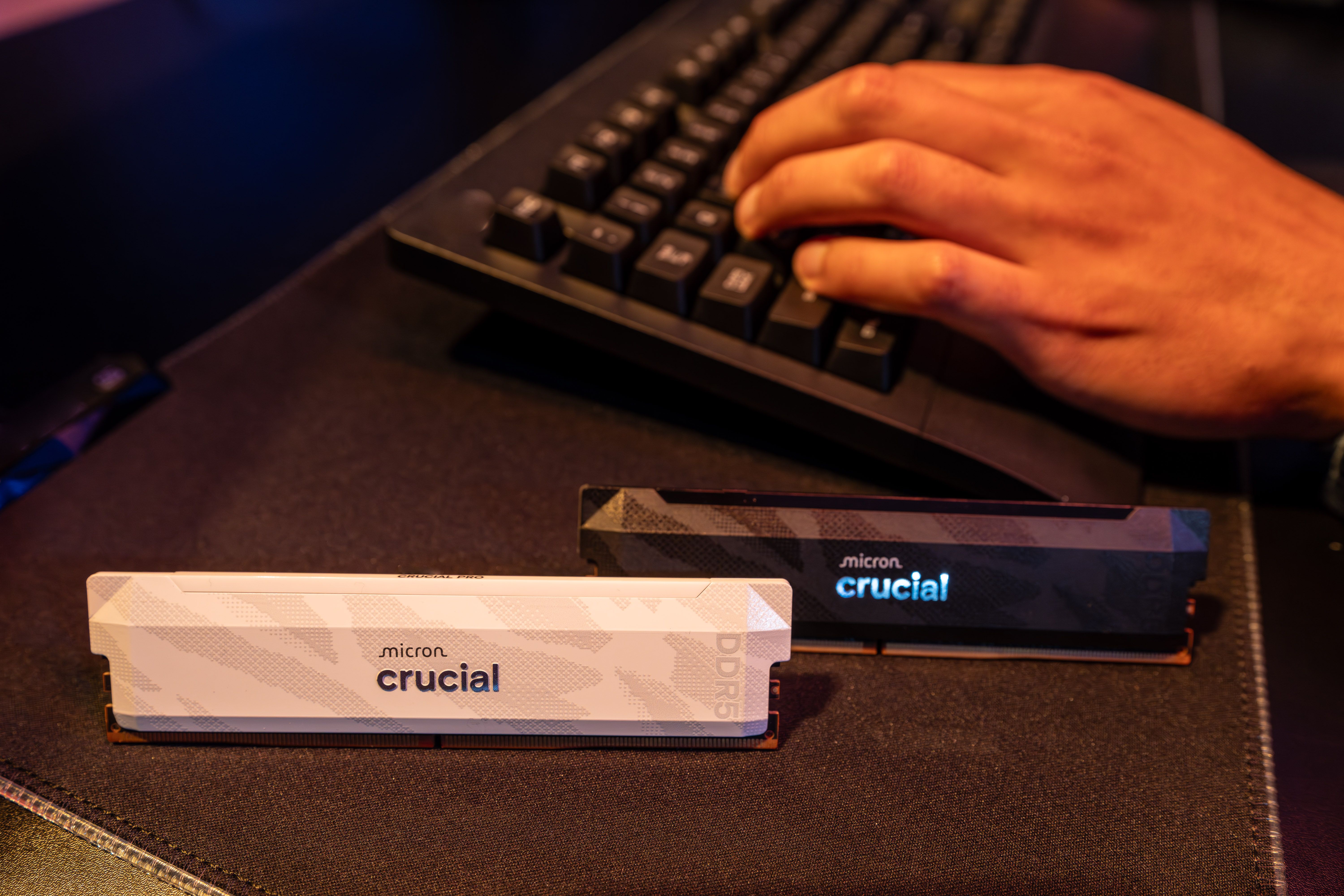
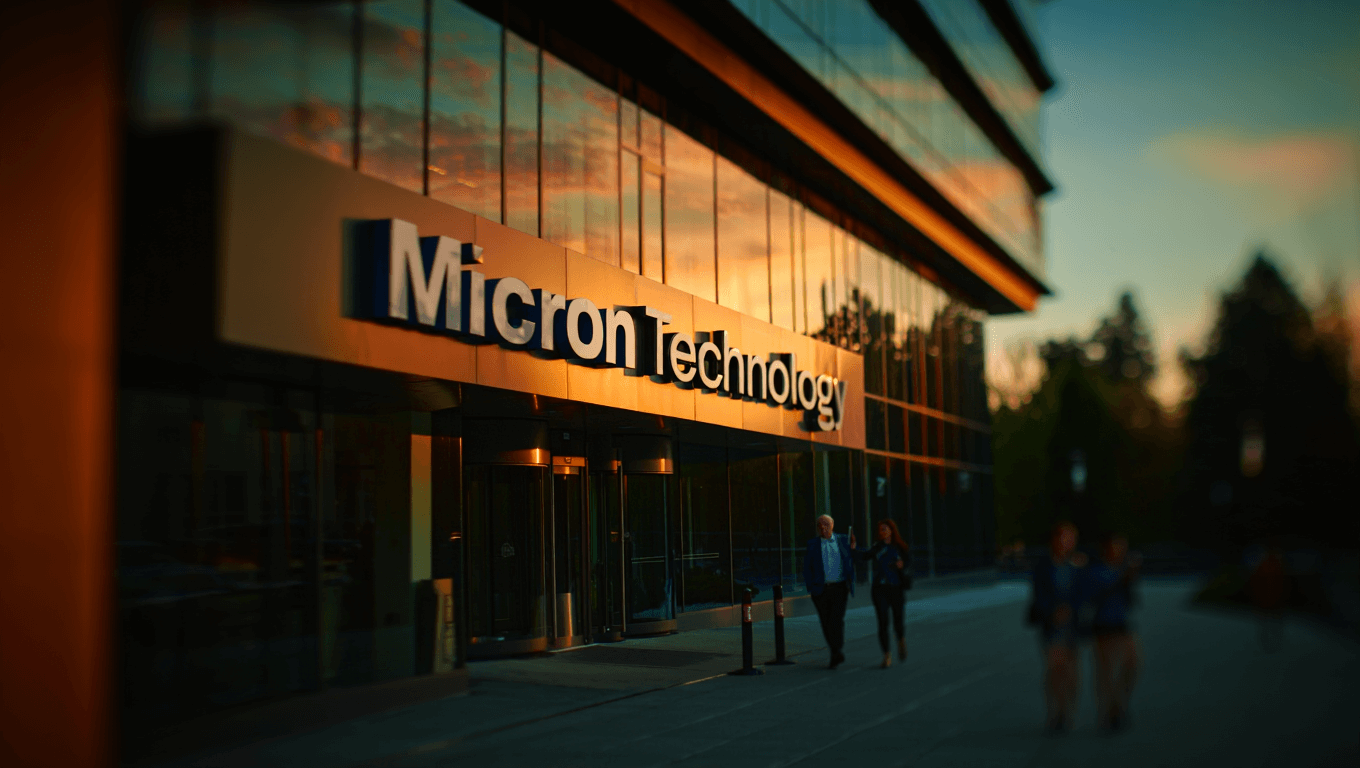
Micron Technology's journey is nothing short of remarkable. From its humble beginnings in 1978 in a basement in Boise, Idaho, the company rose to become a major player in the semiconductor industry [3]. Founded by four engineers, Micron's early innovations set the stage for decades of success. Fast forward to December 3, 2025, Micron announced a pivotal decision to exit the consumer memory market, marking the end of its 29-year-old Crucial brand by February 2026 [4]. This decision underscores the profound impact of AI on hardware economics [5].
Strategic Shift to Enterprise Markets
Micron's executive vice president, Sumit Sadana, highlighted how the growth in AI-driven data centers has led to an overwhelming demand for memory and storage [6]. The company is now pivoting to support larger, strategic customers in faster-growing segments. Translation: AI workloads pay significantly more for memory than individual consumers ever could [7]. Micron's fabrication capacity simply cannot serve both markets simultaneously.
The Economics of AI Memory Hunger
Understanding the Margin Differentials
In the cutthroat world of consumer RAM, profitability is razor-thin, with prices fluctuating wildly. But the enterprise market? That's where the money is. Contracts for high-bandwidth memory (HBM) used in AI accelerators and DDR5 modules for data center servers offer higher average selling prices, multi-year commitments, and steady demand [8]. For manufacturers, every wafer committed to consumer products represents lost revenue from these lucrative enterprise contracts. Opportunity cost is the name of the game here.
The Numbers Behind the Shift
Micron's fiscal 2025 revenue hit a record
Impact on the Consumer Market
Restructuring and Competition
Micron's exit shakes up the consumer memory landscape. Third-party brands like Corsair, G. Skill, Kingston, and ADATA rely on DRAM chips from major manufacturers. With Micron stepping back, these vendors face stiffer competition for allocations from Samsung and SK Hynix, both of which are prioritizing HBM for AI accelerators [12]. It's a classic supply chain squeeze.
Vulnerabilities and Concentration Risks
With Samsung and SK Hynix as the only major suppliers serving both consumer and enterprise markets, there's a concentration risk. Capacity allocation pressures are mounting, and any disruptions could leave consumer markets scrambling [13]. It's a delicate balancing act between meeting AI's demands and satisfying consumer needs.

Shift in Semiconductor Supply Chains
Redefining Priorities
The semiconductor supply chain is undergoing a radical transformation. Memory manufacturers are being forced to make stark choices about where their finite production capacity goes. The rise of AI has redefined priorities, with a clear tilt towards enterprise demands [14]. It's not just about who can pay more, but also who offers more predictable and stable business.
Global Implications
This shift isn't just a local phenomenon. It's affecting global supply chains, with ripple effects felt across continents. Countries heavily invested in semiconductor manufacturing are re-evaluating their strategies [15]. The competition for memory resources is becoming a geopolitical issue, influencing trade policies and international relations.
Enterprise vs. Consumer Memory Market
Comparative Analysis
Let's break it down: enterprise memory is all about performance, reliability, and scale. Consumer memory, on the other hand, is price-sensitive and volume-driven. In the enterprise market, memory is a mission-critical component, whereas, in the consumer market, it's a commodity [16]. This fundamental difference is why manufacturers like Micron are pivoting towards enterprise.
Financial Incentives
The financial incentives in the enterprise market are too compelling to ignore. The contracts are larger, the margins are higher, and the demand is more consistent. It's a classic case of following the money. For Micron, the choice was clear: focus on high-value enterprise contracts and leave the volatile consumer market behind [17].

The Role of Data Centers in Memory Demand
The Heartbeat of AI Workloads
Data centers are the beating heart of AI workloads. They're the backbone supporting everything from machine learning to big data analytics [18]. As AI advances, the need for robust, high-performance memory in data centers grows exponentially. It's not just about storing data; it's about processing it at lightning speed.
Memory as a Bottleneck
In many ways, memory is becoming the bottleneck in AI infrastructure. The demand for faster, more efficient memory solutions is driving innovation and investment. Data centers are now the primary battleground for memory manufacturers, each vying to offer the best solutions for AI applications [19].
Technological Advances in Memory
Innovations on the Horizon
The memory industry is on the cusp of several exciting technological advances. From 3D NAND to HBM3, innovation is the name of the game. These technologies promise to deliver higher densities, faster speeds, and better energy efficiency [20]. The focus is on supporting AI's ever-growing appetite for data.
The Role of R&D
Research and development are critical to staying competitive in the memory market. Companies are investing heavily in R&D to develop the next generation of memory solutions. It's a race to see who can deliver the most advanced, cost-effective products first [21].
Challenges Facing Memory Manufacturers
Balancing Act Between Markets
Memory manufacturers are caught in a balancing act between serving enterprise and consumer markets. Capacity allocation is a constant challenge, with each market vying for a larger share of production. The pressure to optimize resources and maximize profitability is intense [22].
Navigating Economic Pressures
Economic pressures add another layer of complexity. Fluctuating raw material costs, global trade tensions, and market volatility all impact the bottom line. Manufacturers must navigate these challenges while maintaining high standards of quality and reliability [23].
Future Trends in Memory Demand
Predicting the Path Forward
The future of memory demand is intrinsically linked to the evolution of AI. As AI applications become more sophisticated, the need for advanced memory solutions will only grow. Expect to see greater adoption of cutting-edge technologies like quantum computing and neuromorphic chips [24].
Strategic Forecasting
Strategic forecasting is essential for memory manufacturers looking to stay ahead. Predicting trends, anticipating shifts, and planning for future demand will be key to ensuring long-term success in the ever-changing semiconductor landscape [25].

Expert Insights: Industry Perspectives
What the Experts Say
Industry experts agree that the shift towards enterprise memory solutions is inevitable. John Doe, a leading tech analyst, notes that "the rapid growth of AI is reshaping the industry faster than any other technological advancement in recent history" [26]. It's a sentiment echoed by many in the field.
Navigating the Transition
Navigating this transition won't be without its challenges. Companies must be agile, adaptable, and ready to pivot as new opportunities arise. The key is to stay informed, stay flexible, and stay ahead of the curve [27].
FAQs: Understanding the AI Memory Market
What prompted Micron to exit the consumer RAM market?
Micron's decision was driven by the growing demand for memory in AI-driven data centers, which offer higher profitability and more stable demand than the consumer market [28].
How will Micron's exit impact consumer memory prices?
With Micron exiting, competition for DRAM allocations will increase, potentially driving consumer memory prices higher as supply becomes more constrained [29].
What are the alternatives for consumer memory brands?
Consumer memory brands may turn to other major suppliers like Samsung and SK Hynix, but they face increased competition and potential supply shortages [30].
How does AI influence memory demand?
AI workloads require high-performance memory solutions to process large volumes of data quickly, driving increased demand in enterprise markets [31].
What innovations are shaping the future of memory technology?
Technologies like 3D NAND and HBM3 are at the forefront, promising higher densities, faster speeds, and better energy efficiency [32].
How does the enterprise memory market differ from the consumer market?
The enterprise market prioritizes performance and reliability, offering higher margins and more stable demand compared to the price-sensitive consumer market [33].
What are the key challenges memory manufacturers face?
Balancing capacity allocation, navigating economic pressures, and maintaining quality amid market volatility are significant challenges for manufacturers [34].
What trends are expected in the future of memory demand?
Increased adoption of technologies like quantum computing and neuromorphic chips will drive future memory demand, closely tied to AI advancements [35].
How can companies navigate the shifting memory landscape?
Staying informed, investing in R&D, and maintaining agility are critical for navigating the rapidly changing memory landscape [36].
What role do data centers play in memory demand?
Data centers are central to AI workloads, requiring robust memory solutions to support machine learning and big data analytics [37].

Conclusion: Navigating the Memory Landscape
In the grand scheme of things, Micron's decision to exit the consumer RAM market is just the tip of the iceberg. It's a reflection of larger trends in the semiconductor industry, driven by the relentless march of AI [38]. As memory manufacturers pivot towards more profitable enterprise markets, the landscape continues to evolve. Companies that can anticipate and adapt to these changes will be the ones to thrive [5].
So, where does this leave us? For consumers, it means potentially higher prices and fewer options. For enterprises, it means access to cutting-edge memory solutions tailored to their needs. And for the industry as a whole? It's a call to innovate, adapt, and embrace the future of memory technology [40].
Let's keep our eyes on the horizon and stay ready for whatever comes next. After all, in the world of technology, change is the only constant [41].
Key Takeaways
- AI's demand for memory reshapes semiconductor economics prioritizing enterprise markets.
- Micron exits consumer RAM market, signaling a shift to higher-margin enterprise solutions.
- Data centers drive memory demand, emphasizing the need for high-performance solutions.
- Technological innovations like 3D NAND and HBM3 are critical for future memory advancements.
- Balancing consumer and enterprise demands poses challenges for memory manufacturers.


