
![[2025] AI Transforming Go-to-Market Strategies](https://blog.gohighlevel.com/wp-content/uploads/2024/12/EOY-MKT-STRATEGY-1024x576.webp)
[2025] AI Transforming Go-to-Market Strategies
Artificial Intelligence (AI) is no longer a futuristic concept confined to the realms of science fiction. It's here, and it's reshaping the business landscape in ways we never imagined. One area where AI is making a significant impact is in go-to-market (GTM) strategies. By leveraging AI, companies are discovering new efficiencies and capabilities that transform how they introduce products to the market. Let's dive deep into how AI is changing the game.
Introduction
For years, startups and established companies alike have relied on tried-and-true playbooks to bring their products to market. These playbooks, while effective, often required substantial resources and time. However, with the advent of AI, the landscape of GTM strategies is undergoing a seismic shift. AI is enabling businesses to do more with less, allowing them to be more agile and responsive to market demands [1].
The Traditional GTM Landscape
Traditionally, GTM strategies involved a mix of market research, product development, and marketing campaigns. Companies had to invest heavily in understanding their target audience, crafting messages that resonate, and deploying their products in a way that maximizes reach and impact. This approach, while effective, was often time-consuming and resource-intensive [2].
The AI Revolution
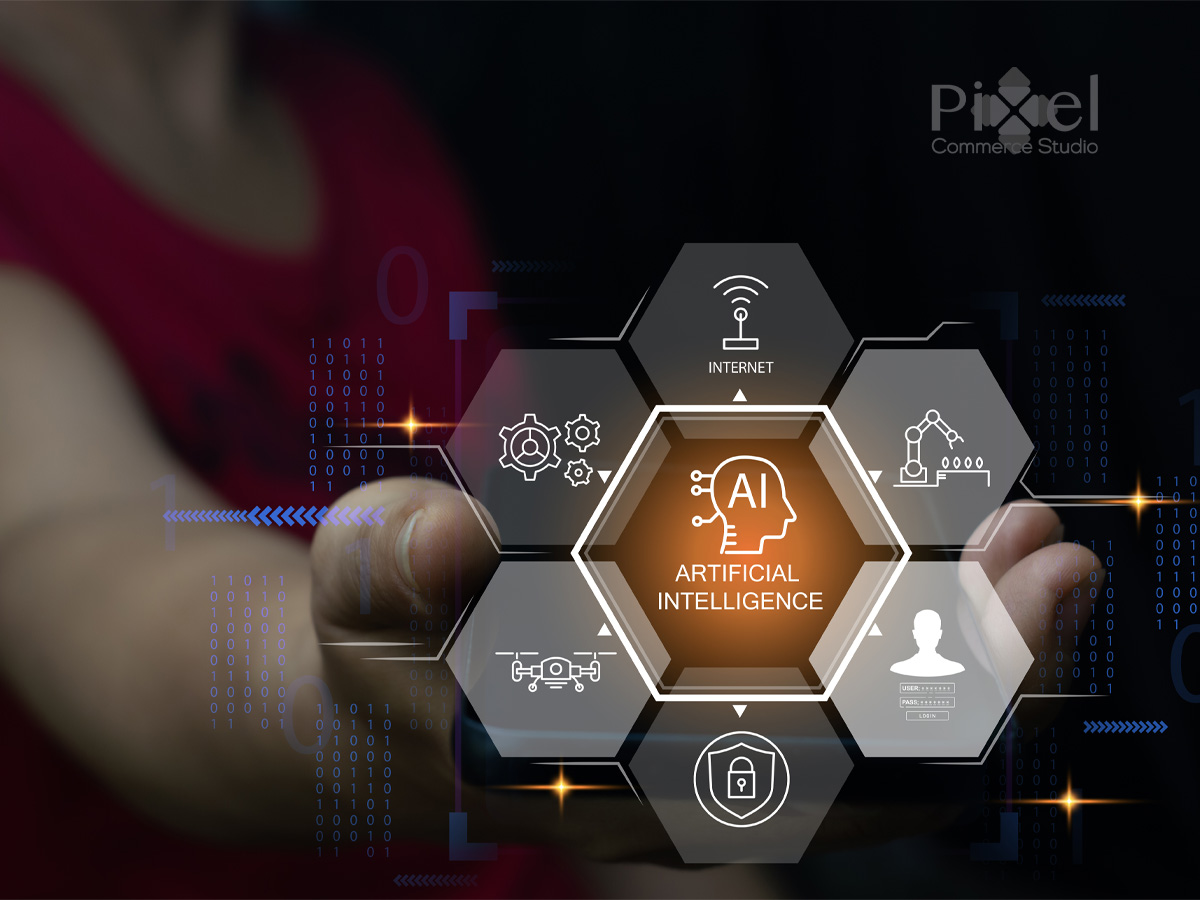
Enter AI. With its ability to process vast amounts of data and generate insights at lightning speed, AI is revolutionizing GTM strategies. Companies can now tap into AI-driven tools and platforms to automate many of the tasks that were once manual. From lead generation to personalized marketing, AI is providing businesses with new ways to engage with customers and drive sales [3].

How AI is Changing GTM Strategies
Enhanced Data Analysis
One of the most significant advantages of AI is its ability to analyze large datasets and extract actionable insights. In the context of GTM strategies, this means businesses can gain a deeper understanding of their target audience and market trends. AI algorithms can sift through customer data to identify patterns and predict future behavior, allowing companies to tailor their strategies accordingly [4].
Statistical Insight: According to a report by Gartner, businesses that leverage AI for data analysis see a 45% increase in marketing efficiency [5].
Personalized Marketing Campaigns
Personalization is key in today's market, and AI is making it easier than ever to deliver tailored experiences to customers. By analyzing customer interactions and preferences, AI can help craft personalized marketing messages that resonate with individual consumers. This level of personalization was previously unattainable with traditional methods [6].
Case Study: A leading e-commerce platform implemented an AI-driven marketing tool that personalized email campaigns for its users. The result? A 30% increase in click-through rates and a 15% boost in sales conversions [7].
Automated Lead Generation
Generating leads is a critical component of any GTM strategy, and AI is transforming this process. AI-driven tools can scan the web and databases to identify potential leads that match specific criteria. These tools can also score and qualify leads, ensuring that sales teams focus on the most promising prospects [8].
Expert Insight: Max Altschuler, General Partner at GTMfund, notes that "AI-driven lead generation tools are not just about finding leads faster; they're about finding the right leads with greater precision." [9]
Streamlined Product Launches
Launching a product involves multiple steps, from market research to promotional campaigns. AI can streamline these processes by automating tasks such as market analysis and campaign management. This allows companies to bring products to market faster and more efficiently [10].
Industry Standard: According to McKinsey, companies that integrate AI into their product launch strategies reduce time-to-market by 35% [11].
Building an AI-Driven GTM Team
Hiring for Curiosity and Understanding
As AI becomes integral to GTM strategies, the skills required in a GTM team are evolving. It's no longer just about hiring specialists with niche expertise. Instead, companies are looking for individuals who possess a sense of curiosity and a desire to understand AI's potential [12].
Quote: Alison Wagonfeld, VP of Marketing at Google Cloud, emphasizes, "It's about hiring for a mindset that embraces AI's capabilities and is eager to learn and adapt." [13]
The Role of AI Specialists
While a general understanding of AI is essential, there is still a need for specialists who can navigate the complexities of AI technologies. These specialists play a crucial role in implementing and managing AI-driven tools and ensuring they align with GTM objectives [14].
Training and Development
To fully leverage AI, companies must invest in training and development. Providing employees with opportunities to learn about AI technologies and their applications in GTM strategies is vital for success [15].
Overcoming Challenges in AI-Driven GTM Strategies
Balancing Automation and Human Touch
While AI offers automation advantages, it's essential to maintain a balance between automation and the human touch. Customers still value personal interactions, and companies must ensure that AI-driven strategies don't compromise on customer experience [16].
Navigating Ethical Concerns
AI's ability to process and analyze data raises ethical concerns, particularly regarding privacy and data security. Companies must navigate these issues carefully and ensure that their AI-driven strategies comply with regulations and ethical standards [17].

Future Trends and Predictions
Increasing AI Integration
As AI technologies continue to advance, their integration into GTM strategies will only deepen. We can expect to see more AI-driven tools and platforms that offer even greater capabilities [18].
Prediction: By 2030, it's anticipated that AI will be responsible for 75% of all GTM tasks, allowing companies to focus on strategic decision-making [19].
The Rise of AI-Driven Customer Insights
AI's ability to provide deep customer insights will become even more sophisticated, enabling companies to predict customer needs and preferences with greater accuracy [20].
AI and the Future of Work
The rise of AI in GTM strategies will also influence the future of work. As AI takes on more routine tasks, employees will have the opportunity to focus on strategic and creative roles, driving innovation and growth [21].
FAQs
What is a Go-to-Market Strategy?
A go-to-market (GTM) strategy is a comprehensive plan that outlines how a company will introduce its product or service to the market. It involves market research, product positioning, marketing, and sales strategies to ensure a successful launch [22].
How is AI Transforming GTM Strategies?
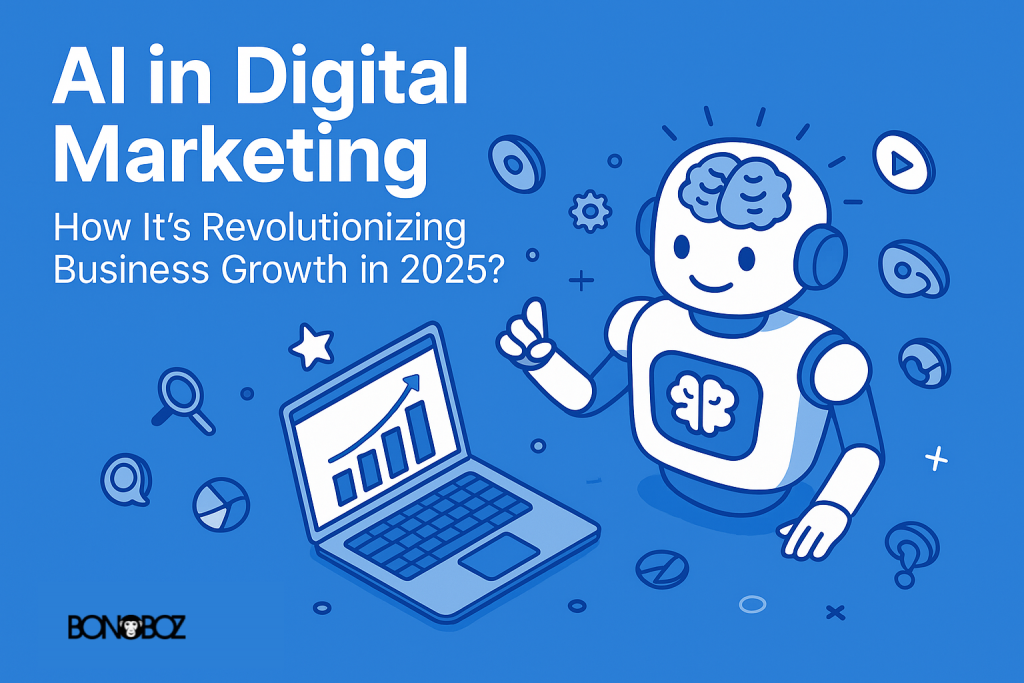
AI is transforming GTM strategies by automating tasks such as data analysis, lead generation, and personalized marketing. This allows companies to be more efficient and responsive to market changes [23].
What Skills are Needed for an AI-Driven GTM Team?
An AI-driven GTM team requires a mix of technical and soft skills. Team members should have a basic understanding of AI technologies and possess a sense of curiosity and adaptability. Specialist roles may require deeper technical expertise [24].
How Can Companies Balance AI Automation with Human Interaction?
Companies can balance AI automation with human interaction by ensuring that AI tools enhance rather than replace personal interactions. It's important to maintain a human touch in customer engagements [25].
What Ethical Concerns are Associated with AI in GTM Strategies?
Ethical concerns related to AI in GTM strategies include data privacy, security, and bias. Companies must ensure that their AI-driven strategies comply with regulations and ethical standards [26].
What are the Future Trends in AI-Driven GTM Strategies?
Future trends in AI-driven GTM strategies include increased AI integration, the rise of AI-driven customer insights, and a shift towards strategic and creative roles for employees [27].
Conclusion
AI is undeniably reshaping go-to-market strategies, offering businesses unprecedented capabilities to engage with customers and drive growth. While challenges remain, the potential of AI to transform how companies bring products to market is immense. As we look to the future, it's clear that AI will continue to play a pivotal role in shaping GTM strategies, enabling businesses to thrive in an increasingly competitive landscape. As you consider your own GTM strategy, think about how AI can be integrated to maximize efficiency and impact. The future of GTM is here, and it's powered by AI [28].
Key Takeaways
- AI enhances marketing efficiency: By leveraging AI, companies can achieve a 45% increase in marketing efficiency compared to traditional methods [29].
- Personalization is key: AI-driven personalization leads to higher engagement and conversion rates, with some companies seeing a 30% increase in click-through rates [30].
- AI streamlines lead generation: Automated lead generation tools enable more precise targeting and qualification of leads [31].
- Balance is crucial: While AI offers automation benefits, maintaining a human touch is essential for customer satisfaction [32].
- Future is AI-driven: By 2030, AI is expected to handle 75% of GTM tasks, allowing companies to focus on strategic initiatives [33].
Key Takeaways
- AI enhances marketing efficiency by 45%.
- AI-driven personalization increases click-through rates by 30%.
- Automated lead generation tools enable precise targeting.
- Balancing AI automation with human interaction is crucial.
- AI will handle 75% of GTM tasks by 2030.


