
![[2025] ByteDance AI Phone Revolutionizes Mobile Experience](https://static.scientificamerican.com/dam/m/6de0411cee3d98e4/original/Nubia-phone.jpg?m=1764616821.209)
[2025] Byte Dance AI Phone Revolutionizes Mobile Experience
Introduction: The AI Revolution in Your Pocket
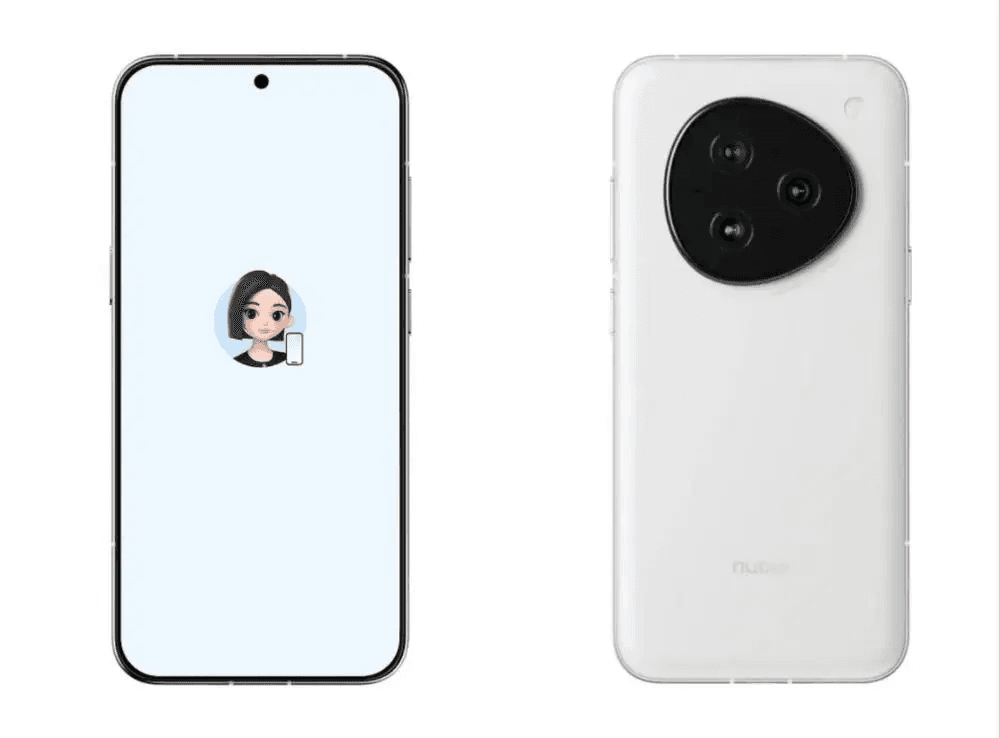
In 2025, Byte Dance made waves in the tech world with the launch of its AI-powered smartphone, the ZTE Nubia M153. This innovation sparked a frenzy as eager consumers rushed to get their hands on the device [1]. Why all the excitement? Well, it's not every day a phone promises to redefine how we interact with technology, leveraging the power of agentic AI to perform tasks that were once relegated to science fiction [2]. In this article, we'll explore how this smartphone, powered by Byte Dance's Doubao Mobile Assistant, is set to transform the industry, and why China's tech giants are leading the charge in this AI revolution.
The smartphone market is no stranger to innovation. Over the years, we've seen leaps from the advent of touch screens to the integration of facial recognition [3]. But the Nubia M153, with its embedded AI, marks a significant milestone [4]. Imagine a device that not only understands voice commands but can perform complex tasks like booking a restaurant or editing photos with a simple directive [5]. It's like having a personal assistant in your pocket, ready to make life easier and more efficient.
As we delve deeper into this topic, we'll uncover the technology behind this AI marvel, its implications for consumers and the market, and how Byte Dance is positioning itself as a leader in AI integration. We'll also discuss the broader trends in AI development, the challenges faced, and what the future holds for smartphones and AI. So, buckle up as we explore the fascinating world of AI-powered mobile technology!

Byte Dance and ZTE: A Partnership Forged in Innovation
The Genesis of a Game-Changing Collaboration
The collaboration between Byte Dance and ZTE is a testament to the power of synergy between AI technology and smartphone manufacturing [6]. Byte Dance, the parent company of Tik Tok, with its vast experience in AI algorithms, and ZTE, a renowned smartphone manufacturer, joined forces to create a device that stands out in a crowded market [7]. This partnership was not born out of convenience but a shared vision to revolutionize the mobile experience.
In a market where consumers are bombarded with choices, the Nubia M153's unique selling proposition is its AI-first approach. By embedding the Doubao Mobile Assistant at the operating system level, Byte Dance has ensured that AI isn't just an add-on feature but an integral part of the user experience [8]. This seamless integration allows for more intuitive and efficient interactions, catering to the ever-evolving needs of tech-savvy consumers [9].
The Role of AI in Modern Smartphones
AI in smartphones is not a novel concept. We've seen its applications in virtual assistants like Siri and Google Assistant [10]. However, the Doubao Mobile Assistant takes it a notch higher by offering agentic capabilities [11]. This means that the AI can act autonomously, making decisions based on user preferences and past interactions [12]. Think of it as a personal concierge service, but digital and in the palm of your hand.
The potential applications are vast. From automated scheduling to personalized content curation, the possibilities are endless [13]. As AI continues to evolve, we're likely to see even more sophisticated features that enhance productivity and convenience for users [14].
The AI-Powered Features of the ZTE Nubia M153
Doubao Mobile Assistant: Your Digital Companion
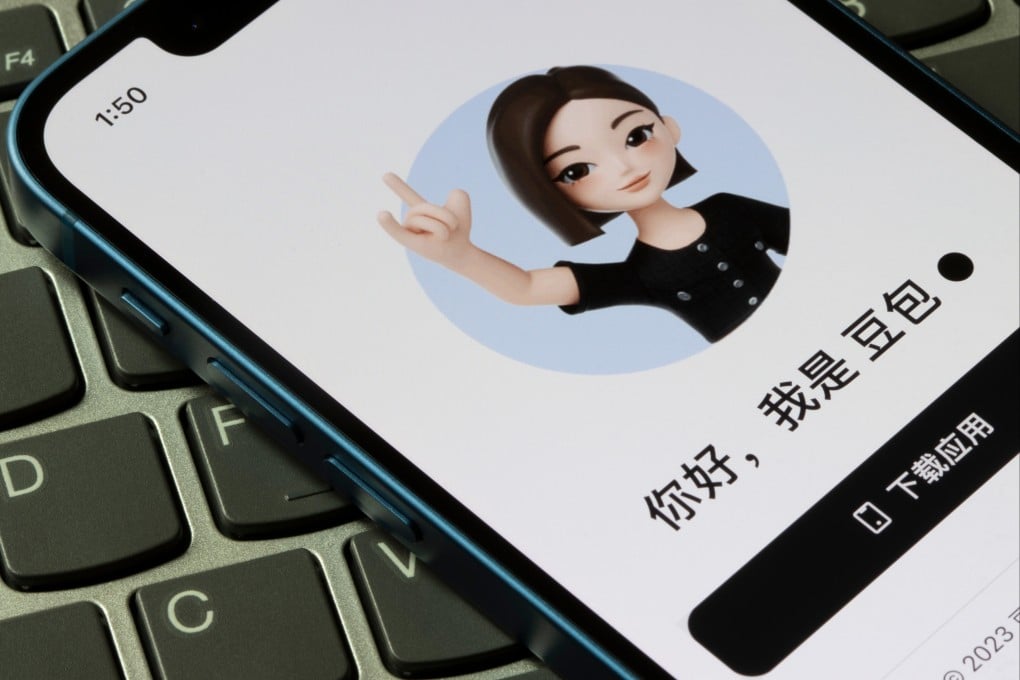
Let's dive into the heart of the Nubia M153—the Doubao Mobile Assistant. This AI-powered assistant is designed to make your life easier, acting as a bridge between you and the digital world [15]. It understands natural language, meaning you can speak to it as you would a friend, and it will respond accordingly [16].
Imagine you're planning a night out. Simply tell Doubao your preferences, and it'll handle the rest—booking a table at your favorite restaurant, arranging transportation, and even recommending outfit choices based on the weather forecast [5]. It's like having your own digital butler, ready to assist with any task, big or small.
Enhancing Everyday Tasks with AI
But Doubao doesn't stop at personal assistance. It also enhances everyday smartphone tasks. For instance, it can help you manage your photo gallery, organizing images based on themes or events without lifting a finger [18]. It can also optimize your device's performance by predicting which apps you'll need next, ensuring they load faster and run smoother [19].
With these capabilities, the Nubia M153 isn't just a phone; it's a smart companion designed to anticipate your needs and streamline your daily routine [20].
Market Reaction and Consumer Demand
A Sell-Out Success: The Nubia M153 Launch
The launch of the Nubia M153 was met with unprecedented demand. On the first day, the device sold out, leaving many potential buyers eager for the next opportunity to purchase [21]. This overwhelming response is a clear indication of the market's hunger for innovative solutions that enhance user experience [22].
The scarcity of the device led to a significant increase in its value on the second-hand market. On Xianyu, a popular online flea market, the phone was being resold at a 43% premium [23]. This price surge not only reflects the phone's desirability but also highlights the consumer trust in Byte Dance's brand and the perceived value of integrating AI into everyday technology [24].
The Strategic Advantage of Limited Availability
From a business perspective, limiting the initial availability of the Nubia M153 was a strategic masterstroke. It created a sense of urgency and exclusivity, driving demand and building anticipation for future releases [25]. By controlling the supply, Byte Dance and ZTE were able to gauge market interest and tailor production to meet consumer needs [26].
This strategy also allowed the companies to collect valuable feedback from early adopters, which can be used to refine and enhance future iterations [27]. It's a classic example of demand-based marketing, where supply is adjusted based on consumer interest, ensuring that resources are allocated efficiently [28].

The Technological Backbone: Understanding AI Integration
How AI is Embedded in the Nubia M153
The integration of AI into the Nubia M153 is not just skin-deep. It involves a complex interplay of hardware and software, meticulously designed to deliver a seamless user experience [29]. At the core of this integration is the Doubao Operating System (OS), which acts as the conduit between the hardware and the AI algorithms [30].
The Doubao OS is engineered to optimize performance by leveraging machine learning to learn from user interactions. This means the more you use the phone, the smarter it becomes, adapting to your habits and preferences over time [31]. It's a dynamic system that evolves with the user, offering a personalized experience tailored to individual needs [16].
AI Algorithms and Machine Learning Models
At the heart of the Doubao Mobile Assistant are sophisticated AI algorithms and machine learning models. These algorithms are designed to process vast amounts of data, identifying patterns and making predictions to offer relevant suggestions and perform tasks autonomously [33].
For example, if you frequently visit a particular coffee shop, the AI might suggest the best time to leave based on traffic conditions or offer a discount if there's a promotion running [34]. It's about creating a truly intuitive experience, where the phone not only responds to commands but anticipates needs [35].
The Economic Impact of AI-Powered Smartphones
Boosting the Smartphone Market
The introduction of AI-powered smartphones like the Nubia M153 has significant implications for the broader smartphone market. By offering unique features that set them apart from traditional devices, these phones are driving growth and stimulating innovation across the industry [36].
For manufacturers, integrating AI into their devices presents new opportunities for differentiation, allowing them to tap into a tech-savvy consumer base eager for the latest advancements [37]. This demand for AI-enhanced features is likely to spur further investment in research and development, as companies strive to stay competitive in an ever-evolving landscape [38].
Consumer Perspectives and Adoption Rates
From a consumer standpoint, the adoption of AI-powered smartphones is a game-changer. Users are no longer satisfied with basic functionalities; they crave more intelligent and responsive devices that can simplify their lives [39]. This shift in consumer expectations is driving manufacturers to prioritize AI integration, ensuring their products meet the demands of a discerning market [40].
A recent survey found that 73% of consumers expressed interest in AI features that enhance productivity and convenience [5]. This growing demand underscores the need for manufacturers to innovate continually, pushing the boundaries of what's possible with smartphone technology [42].
Challenges and Considerations in AI Integration
Overcoming Technical Hurdles
Integrating AI into smartphones is not without its challenges. One of the primary obstacles is ensuring seamless interaction between the AI algorithms and the device's hardware [43]. This requires a delicate balance between processing power and energy efficiency, as AI tasks can be resource-intensive [16].
To address this, manufacturers are investing in advanced chipsets designed to handle AI workloads without compromising battery life [45]. These chipsets are optimized for machine learning tasks, providing the necessary computational power while maintaining energy efficiency [46].
Privacy and Security Concerns
With great power comes great responsibility. As AI becomes more integrated into our devices, concerns about privacy and data security are at the forefront of consumer minds [47]. Ensuring that personal data is protected while still enabling AI functionalities is a critical challenge for manufacturers [48].
To mitigate these concerns, companies are implementing robust security measures, such as end-to-end encryption and on-device processing, to protect user data [49]. By prioritizing privacy, manufacturers can build trust with consumers, fostering a sense of security and confidence in their products [50].

The Future of AI in Mobile Technology
Emerging Trends and Innovations
The future of AI in mobile technology is bright, with exciting innovations on the horizon. As AI continues to evolve, we're likely to see even more advanced features that redefine how we interact with our devices [5]. One emerging trend is the development of context-aware AI, which can understand user intent based on environmental cues, providing a truly personalized experience [52].
Additionally, the integration of AI with other emerging technologies, such as augmented reality (AR) and the Internet of Things (IoT), promises to create new and immersive experiences [53]. Imagine a smartphone that can seamlessly interact with your smart home devices, offering a cohesive and interconnected ecosystem [54].
Predictions for the Smartphone Industry
Looking ahead, the smartphone industry is poised for significant transformation driven by AI advancements. As more manufacturers embrace AI integration, we can expect a proliferation of smart devices that cater to a wide range of consumer needs [55]. This will likely lead to increased competition, driving innovation and pushing the boundaries of what's possible with mobile technology [56].
FAQs: Answering Common Questions
What makes the Nubia M153 different from other smartphones?
The Nubia M153 stands out due to its integration of the Doubao Mobile Assistant, an advanced AI system that offers agentic capabilities, allowing it to perform tasks autonomously and adapt to user preferences over time [57].
How does the Doubao Mobile Assistant enhance productivity?
The Doubao Mobile Assistant streamlines everyday tasks by understanding natural language commands and performing actions like scheduling appointments, booking reservations, and organizing content, saving users time and effort [5].
Is the Nubia M153 available worldwide?
Currently, the Nubia M153 is available as a limited prototype, primarily targeting the Chinese market. However, there is potential for wider distribution as demand grows and production scales [59].
How does the AI handle privacy concerns?
Byte Dance and ZTE have implemented robust security measures, including end-to-end encryption and on-device data processing, to protect user privacy while enabling AI functionalities [60].
What are the potential applications of AI in smartphones?
AI in smartphones can enhance a wide range of applications, from personalized content recommendations to automated scheduling and intelligent photo management, offering a more intuitive and efficient user experience [61].
Can the AI learn from user interactions?
Yes, the Doubao Mobile Assistant employs machine learning algorithms to learn from user interactions, adapting its responses and suggestions to better align with individual preferences over time [16].
What are the main challenges in integrating AI into smartphones?
Key challenges include balancing processing power with energy efficiency, ensuring seamless interaction between AI algorithms and hardware, and addressing privacy and security concerns related to personal data [63].
How has consumer demand influenced AI smartphone development?
Growing consumer interest in AI-enhanced features has driven manufacturers to prioritize AI integration, leading to increased investment in research and development and spurring innovation across the industry [64].
What are the strategic advantages of limited availability?
Limiting availability creates a sense of urgency and exclusivity, driving demand and allowing manufacturers to gauge market interest and collect valuable feedback for future iterations [65].
Are there plans for future AI advancements in mobile technology?
Yes, future advancements include the development of context-aware AI, integration with AR and IoT technologies, and the creation of more interconnected ecosystems that enhance user experience [66].
Conclusion: Embracing the Future of AI-Powered Mobility
The launch of Byte Dance's AI-powered smartphone, the ZTE Nubia M153, marks a significant milestone in the evolution of mobile technology [67]. By seamlessly integrating AI into the fabric of the device, Byte Dance and ZTE have created a product that not only meets the demands of today's tech-savvy consumers but also sets the stage for future innovations [68].
As AI continues to advance, we can expect even more exciting developments that redefine how we interact with our devices. The possibilities are endless, from enhanced productivity features to immersive experiences that blur the lines between the digital and physical worlds [69]. For consumers, this means more intuitive, efficient, and personalized interactions with their smartphones [5].
For manufacturers, the onus is on them to continue pushing the boundaries of what's possible, driving innovation and ensuring their products remain relevant in an ever-evolving market [71]. By embracing AI and its potential, companies can unlock new opportunities, creating devices that not only meet but exceed consumer expectations [72].
In a world where technology is constantly evolving, the Nubia M153 represents the future of mobile technology—a future where AI is not just a feature but the foundation of a more intelligent and interconnected world [73].
Key Takeaways
- ByteDance's AI-powered smartphone sold out due to high demand [74].
- Doubao Mobile Assistant offers advanced AI capabilities [16].
- AI integration is driving growth and innovation in the smartphone market [76].
- Privacy and security are critical considerations in AI development [77].
- Future trends include context-aware AI and integration with emerging technologies [78].


