
![[2025] Meta Poaches Apple Exec to Lead Creative Studio](https://techcrunch.com/wp-content/uploads/2022/09/AppleEvent.SEP07Keynote.Alan_.Dye_.jpg?w=1024)
[2025] Meta Poaches Apple Exec to Lead Creative Studio
Introduction: A New Era in Design
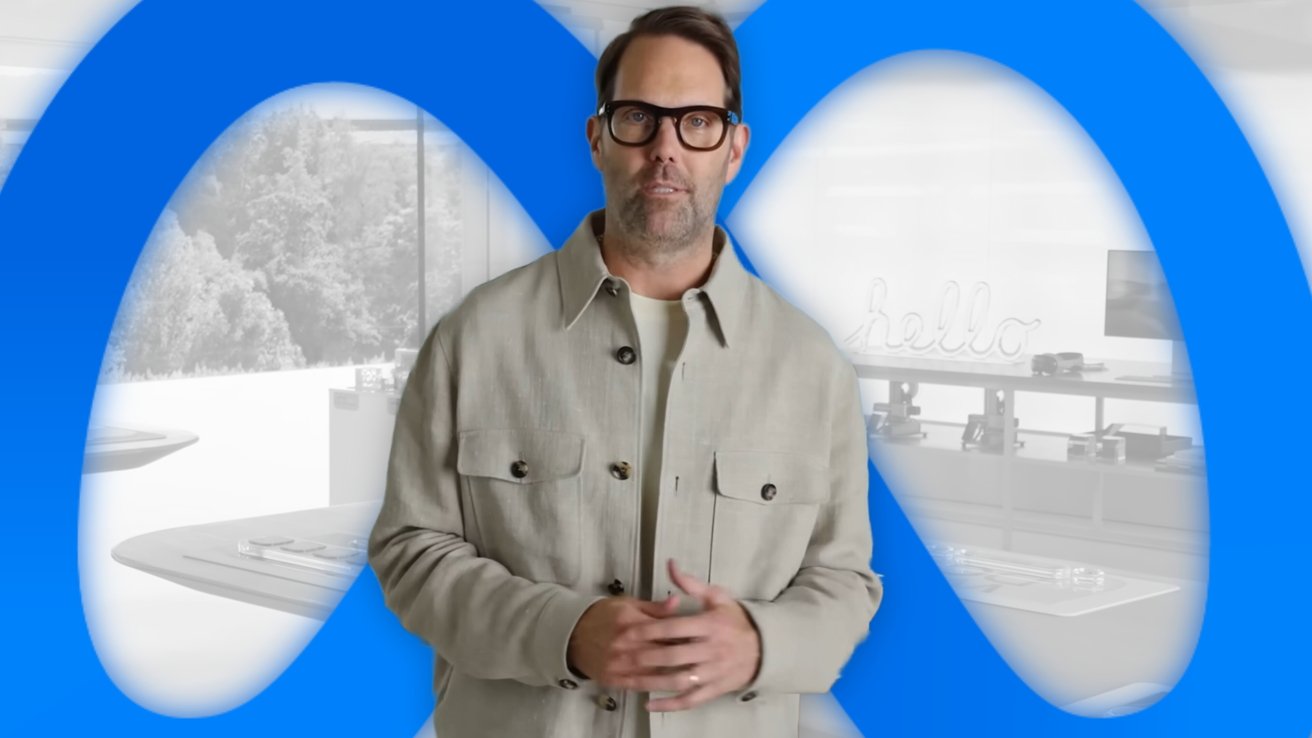
When it comes to seismic shifts in the tech industry, few moves are as noteworthy as a high-profile executive jumping ship from one giant to another. Meta's recent acquisition of Alan Dye, former head of Apple's user interface team, is one of those headline-grabbing moments that makes you sit up and take notice [1]. I mean, we're talking about the guy who helped shape the visual language of Apple's iconic products for the last decade [2]. It's kind of like if the head chef from your favorite Italian restaurant suddenly started cooking at the taco joint down the street. You'd be curious, right?
In this article, we'll delve into what this move means not just for Meta and Apple, but for the broader tech landscape. Meta is making a big play in consumer devices, particularly in the realms of smart glasses and virtual reality headsets [3], and Dye's expertise could be the secret sauce they need. We'll explore how his leadership might influence Meta's design ethos, what kind of innovative features we might expect in future products, and how this aligns with Meta's vision for the future of AI and VR [4].
So, buckle up as we embark on this deep dive into the world of high-stakes design poaching, the potential impacts on our digital lives, and what this all means for the future of technology and design.

Alan Dye's Legacy at Apple
The Apple Era: Defining User Interface
Alan Dye's tenure at Apple was nothing short of transformative. If you've ever admired the sleek, intuitive design of an Apple product, chances are Dye had a hand in it [5]. His work on Apple's user interface team helped craft experiences that were not just functional, but delightful. The kind of design that makes you think, "Why doesn't everything work this way?" Let's face it, Apple has set the bar high, and Dye was a key player in that [6].
During his decade-long leadership, he was instrumental in projects like the Apple Watch's user interface and the ongoing evolution of iOS [7]. His approach wasn't just about aesthetics; it was about creating a seamless interaction between human and machine [8]. Think of it this way: Dye's designs were like the perfect road trip playlist—everything just flowed, making the journey as enjoyable as the destination.
Key Contributions and Innovations
- Apple Watch Interface: Dye played a crucial role in developing the Apple Watch's interface, which prioritized glanceable information and ease of use [9].
- iOS Evolution: Under his guidance, iOS saw significant overhauls that made it more user-friendly and visually appealing [10].
- Design Philosophy: His focus on simplicity and functionality helped maintain Apple's reputation as a leader in consumer technology design [11].
Dye's departure from Apple is not just the end of an era; it's the beginning of a new chapter at Meta, where his skills will be put to the test in a different set of challenges [12].

Meta's Strategic Move
Why Meta Needs Alan Dye
Meta's decision to bring Alan Dye on board is a strategic move that speaks volumes about their ambitions [13]. Let's not beat around the bush—Meta is looking to redefine itself in the tech world, and who better to help them do that than someone who's already been at the helm of design excellence?
By recruiting Dye, Meta is signaling their intent to elevate their product offerings, particularly in the realm of augmented reality (AR) and virtual reality (VR) [14]. These are areas where user interface and experience design are not just nice-to-haves but critical components of the product's success. It's like hiring a Michelin-star chef to revamp your restaurant's menu; you're not just looking for good—you want extraordinary [15].
Enhancing Consumer Devices
Dye's expertise will be crucial as Meta pushes into consumer devices like VR headsets and smart glasses [16]. These devices require interfaces that are intuitive and engaging while also being able to leverage cutting-edge AI features [17]. Imagine a VR headset that feels as natural to use as your smartphone, or smart glasses that seamlessly integrate digital information with the real world. That's the kind of future Meta is aiming for, and Dye is a key piece of that puzzle [18].
The Role of AI in Design
AI as a Design Material
One of the most intriguing aspects of Dye's new role at Meta is the emphasis on AI as a "design material" [19]. It's a concept that's both exciting and a little bit mind-bending. How do you use AI—not just as a tool or a feature, but as a fundamental part of the design process?
In my experience, AI can transform the way we interact with technology by making it more personalized and adaptive [20]. Dye's challenge will be to integrate AI in a way that feels natural and enhances the user experience [21]. It's like adding an extra dimension to design—one where the product can learn from and adapt to the user over time.
Practical Applications and Innovations
- Smart Adaptation: Devices could adjust settings based on user behavior, creating a more personalized experience [22].
- Enhanced Accessibility: AI could help make devices more accessible to people with disabilities, offering features like voice control or gesture recognition [23].
- Predictive Interfaces: Imagine interfaces that anticipate your needs, offering shortcuts and suggestions based on your habits [24].
These innovations aren't just pie-in-the-sky ideas; they're tangible possibilities that could redefine how we interact with technology every day [25].

Challenges in Transition
Moving from Apple to Meta
Transitioning from Apple to Meta is no small feat. It's like moving from a well-oiled machine to a startup with a big budget [26]. While both companies are titans in their own right, they have very different cultures and priorities. At Apple, the focus was on creating polished, refined products that fit within an established ecosystem. At Meta, the challenge will be to innovate and disrupt, often in uncharted territories [27].
Balancing Innovation with Practicality
Dye will need to balance the drive for innovation with the practicalities of developing consumer-ready products [28]. It's one thing to have a revolutionary idea; it's another to bring it to market in a way that's viable and scalable [29]. In this role, Dye will have to navigate these waters carefully, leveraging his experience at Apple while also embracing the fresh challenges at Meta [30].

The New Creative Studio at Reality Labs
Vision and Objectives
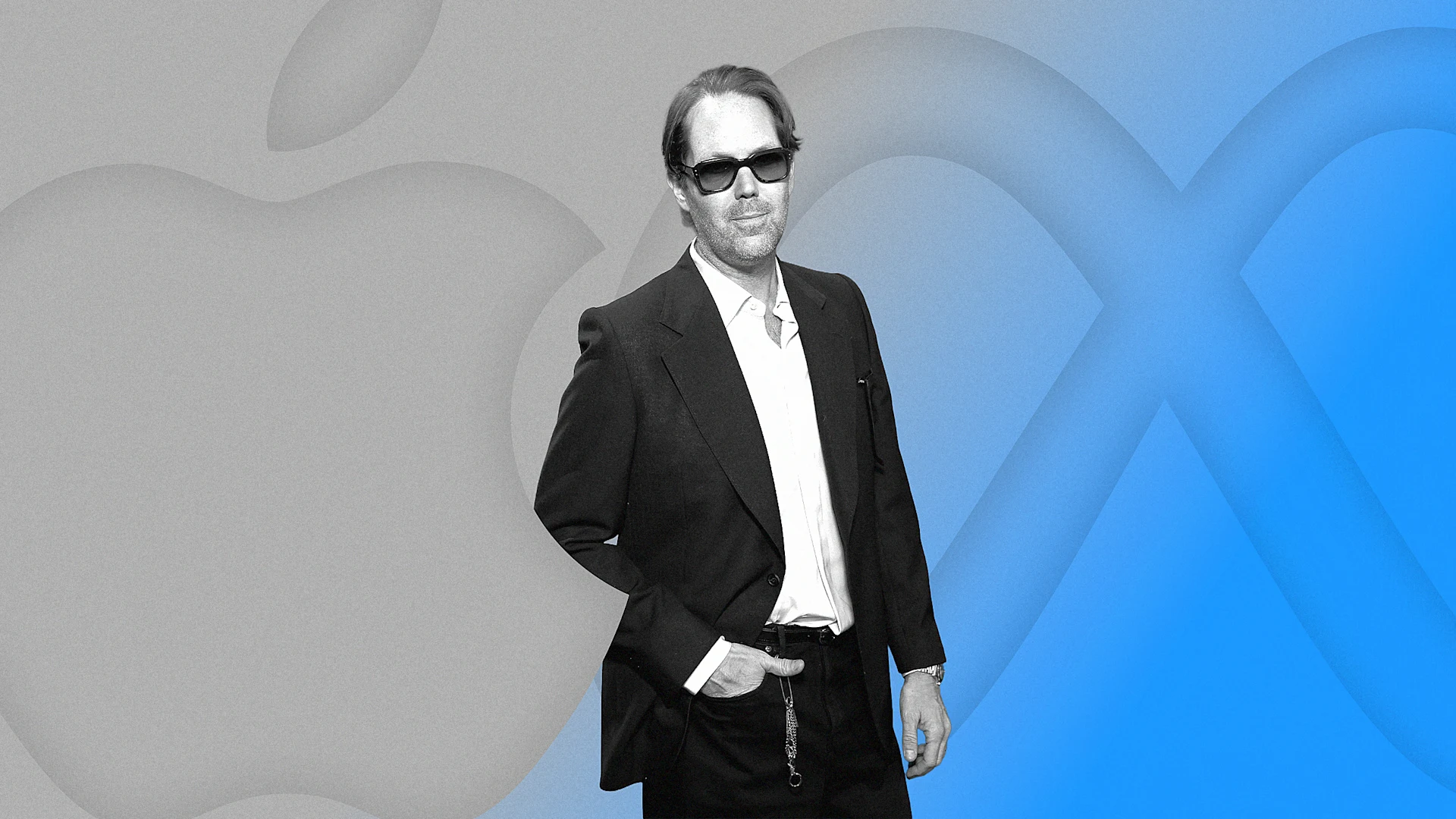
The establishment of a new creative studio within Meta's Reality Labs is a game-changer [31]. This studio, led by Dye, is tasked with the ambitious goal of integrating design, fashion, and technology to craft the next generation of consumer experiences [32]. It's like the Avengers of design—bringing together top talent from various fields to tackle the industry's biggest challenges [33].
Team Composition and Roles
- Billy Sorrentino: Another Apple alum, Sorrentino will bring his expertise in interface design to the table [34].
- Joshua To: Known for his work in interface design, To will help craft intuitive user experiences [35].
- Pete Bristol: Head of industrial design, Bristol will ensure that Meta's products are not only functional but also aesthetically pleasing [36].
- Jason Rubin: Leading the metaverse design and art teams, Rubin will focus on creating immersive digital environments [37].
Together, this team will push the boundaries of what's possible, leveraging their collective expertise to create products that are as innovative as they are beautiful [38].
Design, Fashion, and Technology: A New Frontier
The Intersection of Disciplines
In today's tech world, the lines between design, fashion, and technology are increasingly blurred [39]. It's no longer about creating a product—it's about creating an experience. This intersection is where the magic happens, and it's where Meta's new creative studio aims to make its mark [40].
Potential Innovations and Trends
- Wearable Technology: Integrating fashion and technology to create stylish wearables that are both functional and fashionable [41].
- Sustainable Design: Emphasizing eco-friendly materials and processes in product design [20].
- Interactive Experiences: Using technology to create interactive and immersive experiences that engage users in new ways [43].
These trends are not just the future; they're happening now, and Meta is poised to be at the forefront of this exciting evolution [44].

The Impact on Meta's Competitors
How Competitors Might Respond
Whenever a big player like Meta makes a move, you can bet the competition is taking notes [45]. Dye's transition to Meta is likely to spur a ripple effect across the tech industry, prompting competitors to double down on their own design efforts [46]. It's like a game of chess—every move counts, and the stakes are high [47].
Strategies for Staying Ahead
Meta's competitors will need to innovate and adapt to stay competitive [48]. This might involve investing in their own design talent, exploring new technologies, or even forming strategic partnerships [49]. The key will be to remain agile and forward-thinking, anticipating market trends and consumer demands [50].
The Future of User Interface Design
Predictions and Trends
As we look to the future, the evolution of user interface design is set to accelerate [51]. With AI and AR/VR technologies becoming more prevalent, the possibilities are endless [52]. I foresee a future where interfaces are more intuitive, immersive, and personalized than ever before [20].
The Role of AI and AR/VR
AI and AR/VR will play pivotal roles in shaping the future of user interface design [54]. These technologies will enable more dynamic and responsive interactions, creating experiences that are both engaging and efficient [55]. It's an exciting time to be in the field, and the innovations on the horizon are sure to captivate users and designers alike [56].
What This Means for Consumers
Enhanced User Experiences
For consumers, these developments mean more intuitive and enjoyable experiences [57]. Imagine devices that understand your preferences and adapt to your needs, making technology feel more like an extension of yourself [58]. That's the future we're moving towards, and it's one filled with promise and potential [59].
Increased Accessibility and Inclusivity
In addition to enhancing user experiences, these innovations also have the potential to make technology more accessible and inclusive [60]. By designing with all users in mind, companies can create products that empower individuals, regardless of their abilities or backgrounds [61].
Conclusion: A New Chapter in Tech
As Meta embarks on this new chapter with Alan Dye at the helm of its creative studio, the potential for innovation is immense [62]. This move is more than just a shift in personnel—it's a signal of Meta's commitment to pushing the boundaries of design and technology [63]. With a focus on AI, AR/VR, and user experience, Meta is poised to redefine what's possible in the tech industry [64].
For consumers, this means exciting new products and experiences that are more engaging and intuitive than ever before [65]. As we look to the future, the possibilities are endless, and the journey promises to be as thrilling as the destination [66].
FAQs
What role will Alan Dye play at Meta?
Alan Dye will lead the new creative studio at Meta's Reality Labs, focusing on integrating design, fashion, and technology to create innovative consumer experiences [67].
Why did Meta hire Alan Dye?
Meta hired Alan Dye to leverage his expertise in user interface design as they expand into consumer devices like VR headsets and smart glasses [68].
How will AI influence design at Meta?
AI will be used as a "design material" to create more personalized and adaptive user experiences, enhancing the functionality and appeal of Meta's products [69].
What challenges might Dye face at Meta?
Dye will need to balance innovation with practicality, ensuring that new ideas are viable and scalable for consumer markets [70].
How will consumers benefit from these changes?
Consumers can expect more intuitive and engaging experiences, as well as increased accessibility and inclusivity in Meta's products [71].
What is the significance of the new creative studio?
The creative studio will bring together top talent from various disciplines to push the boundaries of design and technology, creating cutting-edge consumer products [72].
How might competitors respond to Meta's move?
Competitors are likely to enhance their own design efforts, explore new technologies, and form strategic partnerships to stay competitive [73].
What trends are shaping the future of user interface design?
AI and AR/VR technologies are driving trends towards more intuitive, immersive, and personalized user interfaces [20].
How will wearable technology evolve?
Wearable technology will become more stylish and functional, integrating seamlessly with fashion and personal style [75].
What role will sustainability play in future designs?
Sustainability will be a key consideration, with an emphasis on eco-friendly materials and processes in product design [20].
How does Meta plan to integrate fashion with technology?
Meta aims to create stylish wearables and interactive experiences by combining design, fashion, and technology in innovative ways [77].
What is the potential impact of AI on accessibility?
AI can enhance accessibility by offering features like voice control and gesture recognition, making technology more inclusive for all users [78].
How might Meta's new products change daily life?
Meta's new products could offer more seamless and integrated digital experiences, transforming how we interact with technology in our daily lives [79].
What are the long-term implications of this move for Meta?
In the long term, this move positions Meta as a leader in the integration of design and technology, setting the stage for continued innovation and growth [80].
How will this affect Meta's reputation in the tech industry?
This strategic hire enhances Meta's reputation as a forward-thinking company, committed to leading the charge in design and technology advancements [81].
What can we expect from Meta's future product launches?
Future product launches are likely to feature cutting-edge design and technology, offering consumers innovative and engaging experiences [82].
Key Takeaways
- Meta's Strategic Hire: Alan Dye's move from Apple to Meta signals a significant strategic shift, aimed at enhancing Meta's design capabilities [83].
- AI in Design: AI will play a crucial role as a "design material," offering personalized and adaptive user experiences [84].
- Consumer Benefits: Expect more intuitive, engaging, and accessible products from Meta [85].
- Competitor Response: Meta's move is likely to spur innovation and strategic shifts among competitors [86].
- Future Trends: Look for continued integration of AI, AR/VR, and sustainable practices in design [20].


