
![[2025] Robotic Breakthrough in Pompeii Restoration](https://www.reuters.com/resizer/v2/STHDE5SM5ZLFDG7TJIDIRJGVZI.jpg?auth=e353e83c3480901ad24f4e90f8c0e31d72efba6ce51600e87f9856889f4943ee&width=6822&quality=80)
[2025] Robotic Breakthrough in Pompeii Restoration
Introduction: Unraveling Ancient Mysteries with Modern Technology
Imagine walking through the ancient streets of Pompeii, the once-bustling Roman city frozen in time by the cataclysmic eruption of Mount Vesuvius in 79 AD. It's like stepping into a time capsule, with frescoes and artifacts whispering stories of a bygone era. But here's the kicker—many of these artistic treasures have been shattered and buried for centuries, making restoration a Herculean task. Today, however, robotics is offering a game-changing solution to this age-old problem, promising to breathe new life into these fragmented pieces of history [1].
In this article, we're going to explore the fascinating intersection of archaeology and technology, focusing on a cutting-edge robotic system that's helping archaeologists piece together Pompeii's shattered frescoes. From the nitty-gritty details of how this technology works to the broader implications for the field of archaeology, we'll cover it all. So, buckle up as we dive deep into the world of robotic restoration!
The Historical Context: Why Pompeii Matters
A Snapshot of Pompeii's Glory
Pompeii was a thriving Roman city, bustling with commerce, culture, and art. Imagine a place where the streets were alive with the clatter of chariots, the chatter of merchants hawking their wares, and the vibrant colors of frescoes adorning the walls of public buildings and private homes alike. These frescoes weren't just decorative; they were a testament to the artistic and cultural achievements of the ancient Romans [2].
The Catastrophic Eruption
In 79 AD, Mount Vesuvius erupted with little warning, burying Pompeii under a thick blanket of volcanic ash and pumice. This sudden cataclysm preserved the city in its last moments, offering an unparalleled glimpse into Roman life [3]. However, the same forces that preserved Pompeii also shattered its frescoes and artifacts, leaving behind a jigsaw puzzle of historical fragments.

The Art of Restoration: Challenges and Opportunities
The Traditional Approach
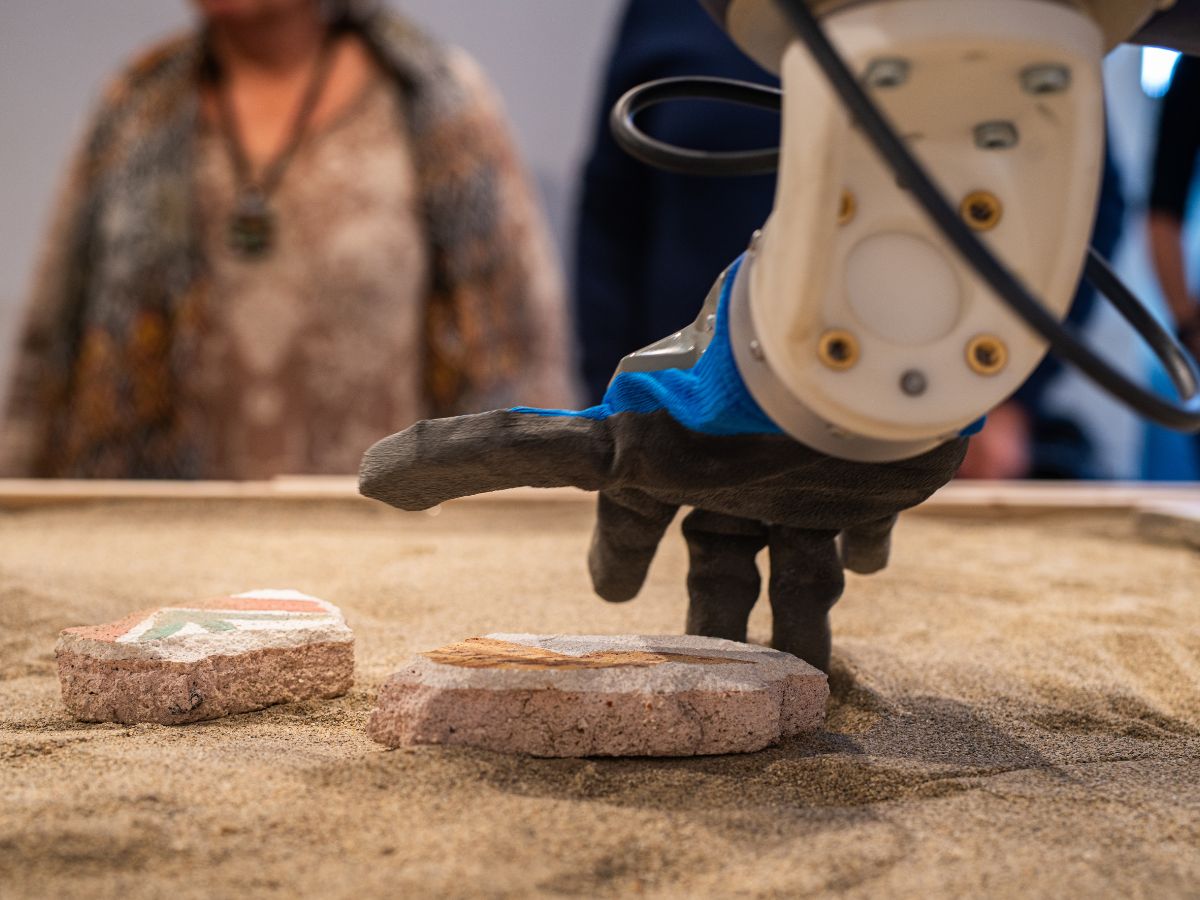
For centuries, archaeologists have painstakingly sifted through the debris, manually piecing together fragments of frescoes and artifacts. This labor-intensive process requires not just patience but also an incredible amount of skill and expertise [4]. Each fragment must be carefully matched with others based on a multitude of factors, from color and texture to curvature and thickness.
Enter Robotics: A New Frontier
Here's where things get exciting. Robotics offers a radical new approach to restoration, one that promises to make the process faster, more accurate, and less labor-intensive. By utilizing advanced algorithms and machine learning, robotic systems can analyze thousands of fragments in a fraction of the time it would take a human, identifying potential matches with remarkable accuracy [5].

How the Robotic System Works: A Step-by-Step Guide
Step 1: Scanning and Cataloging Fragments
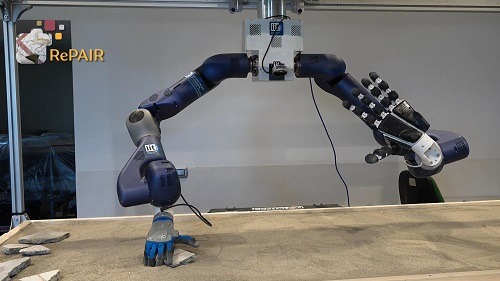
The first step in the robotic restoration process is to scan and catalog each fragment. Using high-resolution imaging technology, robots can capture every minute detail of a fragment, from its color and texture to its shape and size [6].
Step 2: Data Analysis and Pattern Recognition
Once the fragments are scanned, they are fed into a sophisticated data analysis system. Here, advanced pattern recognition algorithms come into play, comparing each fragment against thousands of others to identify potential matches [7].
Step 3: Simulation and Assembly
After potential matches are identified, the system runs simulations to virtually assemble the fragments. This step is crucial, as it allows archaeologists to see what the final piece might look like before any physical assembly takes place. It's like having a digital jigsaw puzzle that you can rearrange without fear of damaging the pieces [8].
Step 4: Human-robot Collaboration
While the robotic system can handle much of the heavy lifting, human expertise is still essential. Archaeologists work alongside the robotic system, using their knowledge and intuition to make final adjustments and ensure the accuracy of the restoration [9].
The Impact of Robotics on Archaeology
Speed and Efficiency
One of the most significant advantages of using robotics in restoration is the sheer speed and efficiency it offers. What might take a team of archaeologists months or even years to accomplish can be done in a matter of weeks with the help of robotics [10]. This not only saves time but also frees up human resources for other tasks.
Improved Accuracy
Let's be honest—humans are prone to error, especially when dealing with thousands of tiny fragments. By contrast, robots can analyze data with a level of precision that's simply not possible for humans. This leads to more accurate restorations and a better understanding of the original artwork [11].
Preserving Cultural Heritage
By making the restoration process more efficient and accurate, robotics plays a crucial role in preserving cultural heritage for future generations. This is particularly important for sites like Pompeii, where every fragment holds invaluable historical and cultural information [12].
Case Study: Successful Restoration Projects
The House of the Vettii
One of the most famous restoration projects in Pompeii is the House of the Vettii, known for its stunning frescoes depicting scenes from Greek mythology. Using robotic technology, archaeologists were able to restore several frescoes that had been shattered during the eruption, offering a glimpse into the opulence and artistic sophistication of ancient Roman life [13].
The Villa of the Mysteries
Another notable project is the Villa of the Mysteries, home to a series of frescoes that are considered masterpieces of Roman art. The use of robotics in this project not only sped up the restoration process but also uncovered previously hidden details, enriching our understanding of Roman mythology and culture [14].
The Future of Robotic Restoration
Potential for Other Archaeological Sites
While Pompeii is the current focus, the potential applications of this technology are vast. From the pyramids of Egypt to the ruins of ancient Greece, robotic restoration could revolutionize the field of archaeology, offering new ways to explore and understand our shared human history [15].
Innovations on the Horizon
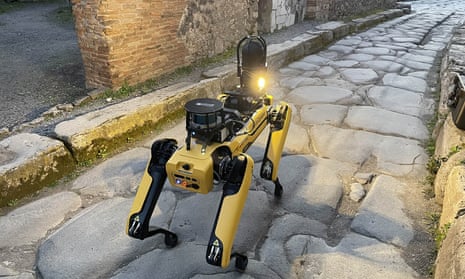
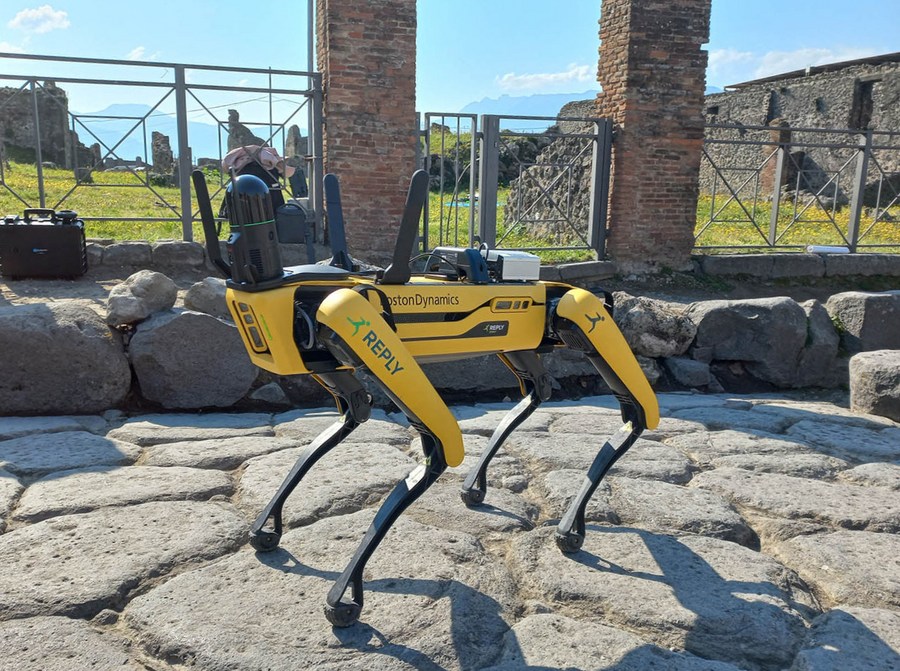
As technology continues to advance, so too will the capabilities of robotic systems. Future innovations could include more advanced imaging technologies, more sophisticated algorithms, and even autonomous robots capable of conducting fieldwork without human intervention [16].
Conclusion: Bridging the Past and the Future
In my experience, there's something profoundly satisfying about piecing together the past. It's like solving a mystery, one fragment at a time. And while the challenges are immense, so too are the rewards. Thanks to robotics, we're on the cusp of a new era in archaeology, one where the past is more accessible than ever before [17].
So, the next time you find yourself walking through an ancient ruin or admiring a restored fresco, take a moment to appreciate the incredible blend of art, history, and technology that made it possible. After all, every piece of the puzzle brings us one step closer to understanding our shared human story.
FAQs: Your Questions Answered
What is the primary purpose of using robotics in archaeology?
Robotics in archaeology primarily aims to speed up the restoration process, improve accuracy, and preserve cultural heritage [18]. By automating the analysis and assembly of fragments, robotics allows archaeologists to focus on interpretation and research.
How do robots identify matching fragments?
Robots use advanced pattern recognition algorithms to compare scanned images of fragments. These algorithms consider various factors such as color, texture, and shape to identify potential matches [19].
Can robotic technology be used in other fields of restoration?
Absolutely! While currently focused on archaeology, the principles of robotic restoration can be applied to other fields, such as art conservation and architectural restoration [20].
What are some limitations of using robotics in archaeology?
While robotics offers many advantages, it also has limitations, such as the need for human expertise in final decision-making and the current inability to fully replicate the nuanced understanding of human archaeologists [21].
How does the integration of robotics impact job opportunities in archaeology?
Rather than replacing human archaeologists, robotics enhances their work, allowing them to focus on higher-level tasks and research. This could potentially lead to more job opportunities in the field, particularly in technology-focused roles [22].
Are there ethical considerations in using robotics for restoration?
Yes, ethical considerations include ensuring that the use of technology does not overshadow human expertise and that restorations remain true to the original art and intent. Transparency in methodology is also crucial [23].
How do archaeologists ensure the accuracy of robotic restorations?
Human experts work alongside robotic systems, using their knowledge to make final adjustments and ensure that restorations are as accurate as possible. This collaborative approach combines the best of both worlds [24].
What role does artificial intelligence play in robotic restoration?
Artificial intelligence is crucial for data analysis and pattern recognition, enabling robots to identify matching fragments quickly and accurately. AI helps to streamline the restoration process and improve results [25].
How have robotics changed our understanding of Pompeii?
By enabling faster and more accurate restorations, robotics has uncovered new details about Pompeii's art and culture, enriching our understanding of this historical site [26].
What is the future of technology in archaeology?
The future looks promising, with advancements in imaging and AI potentially leading to even more sophisticated robotic systems. These innovations could transform how we explore and preserve archaeological sites worldwide [27].
Key Takeaways
- Robotic systems significantly speed up the restoration process.
- Advanced algorithms improve restoration accuracy.
- Robotics helps preserve cultural heritage for future generations.
- Human expertise remains crucial in robotic restoration.
- Future innovations could expand robotic applications in archaeology.


